When you’ve been with someone for years you get used to their choices. Karen will always choose raspberry jam. I’ll always choose strawberry. Karen will have a Cox’s apple, I’ll have a green Granny Smith. At a party or reception, she’ll choose white wine, I’ll choose red – though that’s such a common female / male divide. Sandwiches? Tuna for me. Cheese with celery or tomato for Karen. I prefer bread untoasted. Karen prefers it toasted. Most of the time, she chooses tea, I choose coffee. First thing in the morning, or late afternoon, I’ll have tea. Mid morning or lunchtime, coffee.
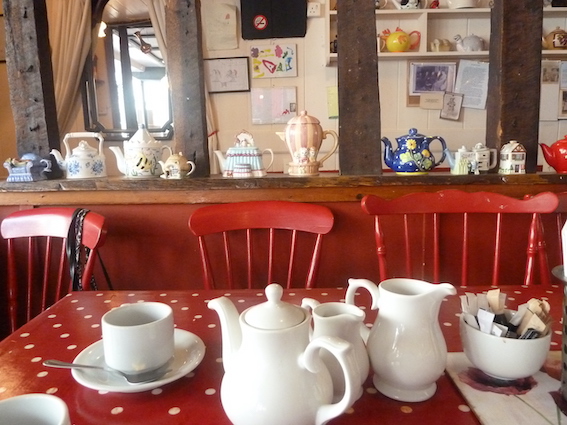
I’m not going back to 18th century coffee shops or 19th century rules on tea (milk first or last?). It’s interesting that it’s Tea ROOMS but coffee HOUSES historically. Lyons were the first to market the tea rooms concept as a national chain with Lyons Corner Houses from 1909. Their waitresses were known as ‘Nippies.’ They also were the first to market a coffee and chicory “essence” in 1921, then tinned ground coffee.
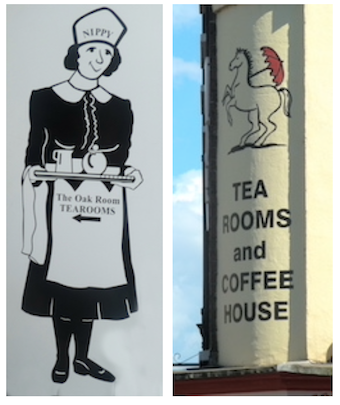
Is tea or coffee a class preference? Tea working class and aristocracy (they usually band together), coffee middle class. Is it regional? Wales, North, Scotland, Ireland for tea, broader south of England for coffee? There is a degree of sense in this. As a child visiting Welsh uncles and aunts, tea seemed constant. But no, I think it’s age group related. Not class. Nor region.
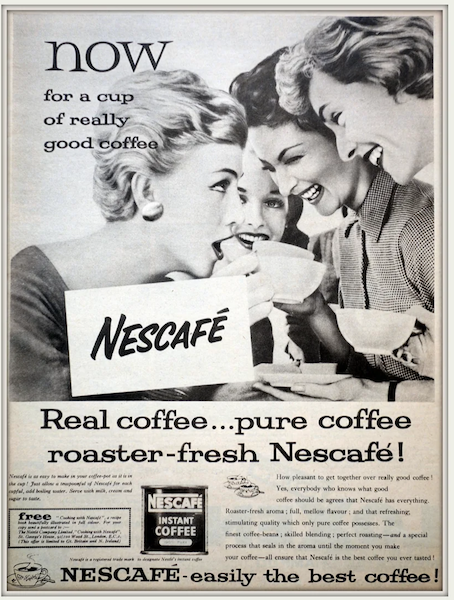
There used to be a noticeable generational preference for coffee. I’m a Baby Boomer, and I was on the edge of it. My sister’s half-generation (wartime babies) were at the start of the whole fad for coffee bars, juke boxes, red formica tables, Vespa scooters, Italian suits, winklepicker shoes. My aunt taught me how to make frothy coffee (no one could spell cappuccino) with Nescafé and milk and a fork to whisk it.
My mum had a percolator for rare special occasions. It was a wedding present in 1937 and sat in state on a Welsh dresser. That’s a method that’s gone as it was so fiddly. Ours was glass. The ground coffee was kept in a tin for months or years which may be why it was tasteless. Before instant coffee there was Camp coffee, a liquid blend with chicory in a bottle.
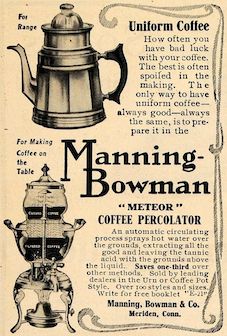
Outside the coffee bars, it was always instant coffee at home. Nescafé or Maxwell House. Freeze dried? A much later invention. It was a powder.
In the 90s, I asked someone my age if they wanted tea or coffee and she said when she was growing up, tea was her parents’ generation drink. Tea was a bygone era. Chintzy curtains. Decorative tea pots. If you were young, you chose coffee. Coffee was cool. I
Until that point, the British drank vastly more tea than coffee, always with milk, usually with sugar. Transport caffs had half pint mugs with two sugars and milk already in and tea was added from a huge metal teapot. My mum said you never wash out a teapot. The dried tea caked on the sides is part of the taste.
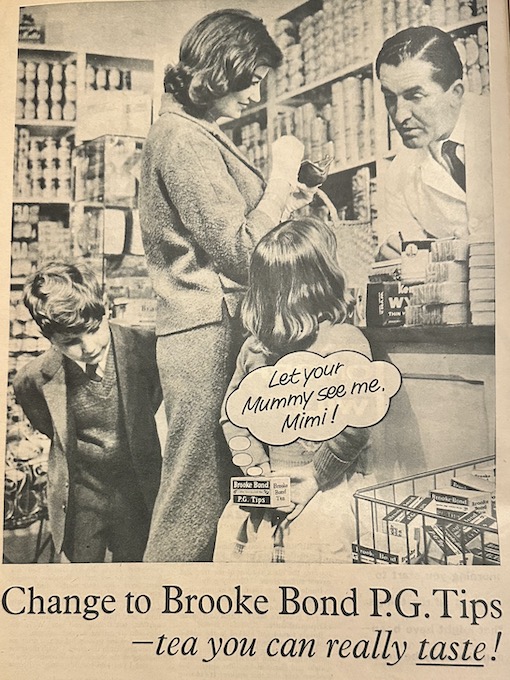
We have a large collection of 30s to 60s magazines. Half an hour browsing revealed tea adverts, but just one coffee advert, I’m reminded that Brooke Bond made tea and Basildon Bond made writing paper.
It was the instant gratification era. Instant mashed potato (Smash means mash) sustained me through university. Instant porridge with dried milk already mixed in. Coffee was instant. Tea may have been dealt a blow in that era because of Nestea. Instant tea, aka tea dust, possibly one of the worst ideas ever. You added boiling water. It was disgusting. Nestlé now use the same name for iced and flavoured cold teas in bottles.
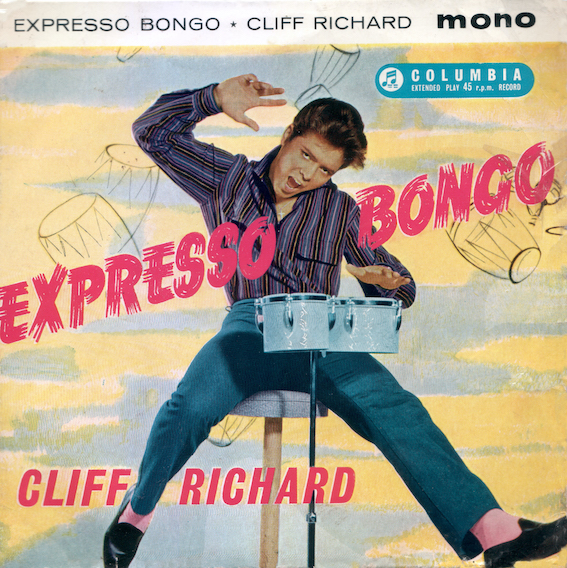
The British often spelled espresso as expresso in those days, thinking it was quick, express, because there was no waiter service. They were confident enough of their spelling to make a film with it in the title.
I worked in catering through the 5th and 6th form at weekends and in the Easter and Summer holidays. Bournemouth Corporation Catering loved selling tea. A catering pack in the urn should provide forty cups. They always topped it up again and got sixty to eighty cups which covered the extensive pilfering. You can do that with tea. A few years ago, I saw them try it at the bar at Salisbury Playhouse- one tea bag dunked in two cups. It’s known as ‘gnat’s piss.’ Then the same guy shortchanged me.
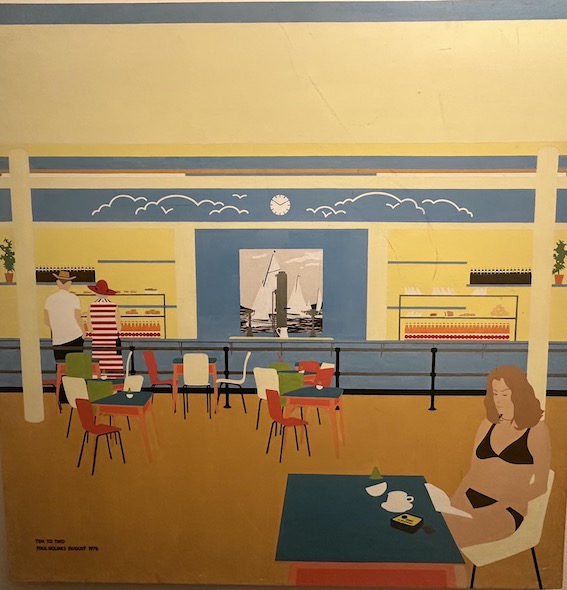
Bournemouth Corporation Catering didn’t like coffee. You can’t fiddle it. I worked at Fortes in Sandbanks (now Rick Stein’s). The painting shows it as it was in the 60s. I bought the painting for £25 in the 70s and yes, it’s an original. I also worked in Westover Road Fortes. It wasn’t “Trust House Forte” but a separate chain run by an extremely fat brother. They were fanatic about hygiene. They had their own ice cream factory in Winton. They had proper Italian Gaggia coffee machines, and ground proper beans freshly. Locals were used to it and sought it after the pictures along the road. I listened patiently as tourists moaned that the coffee was much too strong. We just poured out half and topped it with hot milk. They liked that. Coffee flavoured milk.
Years later, when Bernie Hartley and I had an office in central Bournemouth, we had our morning coffee break with almond Danish pastries there every day. The coffee was still superb.
At university, there were nine of us on our floor of the residential block. Eight chose coffee as we played all-night games of Risk! Talkin’ ‘bout my generation. One put on a floral pinny, made tea in a tea pot, announced daily that “mother” always said ‘warm the pot and add one for the pot’ in his Mancunian-posh Russell Harty accent and sipped his tea from a china cup with a saucer and spoon. He left us after a term. The pink tea cosy was a step too far. He was also the only student with a hot water bottle. This reminds me that the hall cleaners in Hull, around my sister’s age, always chose coffee. I ingratiated myself by offering it in the morning,
It amazed me in the 70s and 80s that in both Greece and Turkey you ordered Nescafé which was the generic word for instant and filter coffee both, and which was considered hipper than traditional and better Greek and Turkish coffee.
I have an aversion to instant coffee though. It started when Bernie Hartley and I were at Anglo-Continental School of English. We had a Max Pax machine a few yards from our office, ands we often worked late. Max Pax had pre-mixed coffee and milk in cardboard cups in a machine and also a chemical to stop the mix coagulating in the warm machine. Because he was trying to reduce his smoking below forty a day, Bernie started having a MaxPax every time he wanted a cigarette. He was drinking a dozen a day, Then he started getting hairless patches appearing all over his face, then chunks of hair fell out and he had hairless patches. It was the chemical in the MaxPax. Was there aluminium in it? I wonder because squirrels ate through the wooden roof siding and took up residence in our loft. We got them out and covered the hole with an aluminium sheet. They ate through it in a fortnight and developed identical hairless patches in their fur to those on Bernie’s face and head.
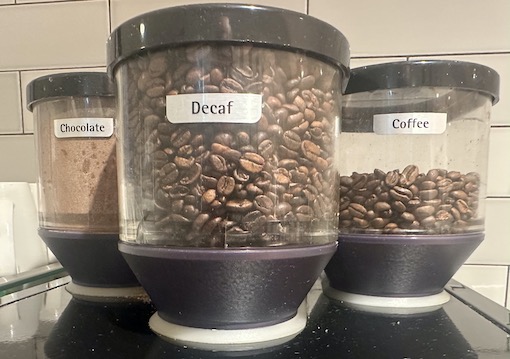
To this day, I look at those hotel breakfast room machines with the visible coffee beans and the grinding noise as they dispense coffee with suspicion.
I can also tell instant coffee, whether plain, Gold, Roastery, Intense, Alta Rica, Azera Americano, or some other esoteric label instantly … or at once. Too many instants. We ordered coffee after a meal in a restaurant a few years back, six of us. £4.95 each. I took one sip, and said ‘This is instant coffee.’ The waiter said, ‘No, no, we only serve freshly ground coffee.’I said, ‘Well, this isn’t. Bring the manager.’ The manager admitted that the coffee machine had been turned off for the day, and yes, it was instant coffee. He seemed disgruntled when I said ‘I think you need to take it off the bill.’
The British don’t know how to make a good cup of coffee. You don’t know how to make a good cup of tea. It’s an even swap.
Instructions for American Servicemen in Britain, US government pamphlet, 1942
Not true. The Italians, Spanish and French always knew how to make coffee. Neither English-speaking country did.
I once dropped coffee and tea altogether for two or three years, switching to green tea or herbal tea. I felt I was getting a caffeine reaction. It’s in tea too. And chocolate. We had a Mormon neighbour who couldn’t touch tea, coffee or Coca-cola, but ate chocolate constantly. Then I read about coffee reactions. You get them from instant coffee because they grind up whole beans. You get it from ground coffee in a cafetiere. The husk is the issue (add that it’s probably sprayed). The worst concentration of the husk is drip filter machines, beloved of offices and American restaurants with taste-free ‘bottomless coffee’ offers. However, the espresso method means you’re not drinking the ground up husk. I bought another espresso machine.
My first espresso machine was a huge red Gaggia. I bought it in Genoa on a speaking tour. It cost £85, when the price in Britain was £250. I carried it back on my lap on a British Caledonian flight. Airlines were way more relaxed in those days. British Caledonian had metal cutlery and cloth napkins too.
The trouble with espresso machines is that cheap ones don’t get it hot enough, and all of them are a swine to keep properly clean. In Fortes back in the Fifties and Sixties (that’s a confusing phrase) the machines were flushed through daily. I use a cafetière now and don’t get a problem anymore.
We’ve had Nespresso coffee pod machines. Don’t like them. I don’t bother with them in hotels, where they mark the difference between a standard room (two sachets Nescafé) and a superior room (Nespresso with two pods). However, the Nespresso Vertuo machines have a whirling method and are much better BUT while you can buy other coffee pods in the supermarket, you can only buy Vertuo from Nestlé online and the site is awful.
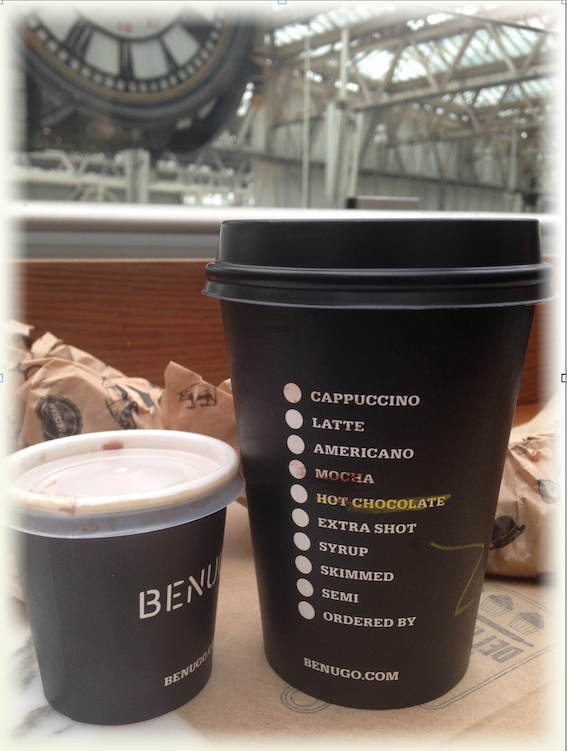
One of the most regrettable features of modern life is the rise of the coffee shops. It started with Starbucks (who continue to be the worst coffee shop). It accelerated with Frasier and Friends which added all the arcane combinations. It had dire results. We once had a party for thirty to celebrate a Golden Wedding. I did the coffee, and circulated thirty people with four large cafetières and a jug of cold milk. One relative looked at it and said, ‘Could you do me a decaffeinated cappuccino with skimmed milk and chocolate sprinkles?’ Karen pulled me away just before I said ‘This is not Starbucks. Try the one in the town centre …’
Then we add Costa, Nero, Coffee One. Costa and Caffè Nero are owned by large international companies but claim long ancestry and connection to Italy at the time of Garibaldi. Costa was owned by Whitbread breweries until 2019 when it was bought by the Coca-Cola company for £3.9 billion. I thought Caffè Nero was called ‘nero’ as it was Italian for black coffee, but perhaps it was founded by the Emperor Nero, so much older than Costa’s link to Garibaldi. Coffee One is owned by Caffè Nero perhaps so they could put two outlets within 100 metres. There are over 35,000 branches of Starbucks.
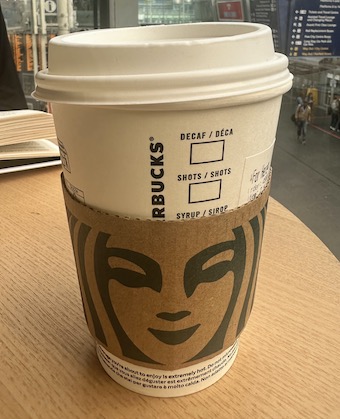
You can find sections in most British town centres with all four of the chains huddled together plus a couple of more local ones. They employ people on minimum wage, call them barristas, and have them selling a few pence worth of coffee for several pounds. Usually the tea is a bag in a cup and is horrible. Avoid coffee shop tea unless they have tea pots. The test is Americano. To make it properly you put hot water in first and put the espresso coffee on top. What Starbucks do is the reverse so that the hot water destroys the flavour of the coffee (if it had any). They also put far too much water in, based on American preference for drinking quarts of any liquid. Then there’s pricing. A local coffee shop (independent) charges double for double espresso. They don’t get the catering business. The real price is staff, cup, square feet of eating area, chair, table, table clearing, washing up. The actual coffee is a tiny element. Of course they ask us to clear our own tables now. I mutter, ‘It’s not a school canteen,’ but get shushed. What is incredible is that they even market their coffee blends in supermarkets – Starbucks or Costa ground coffee.
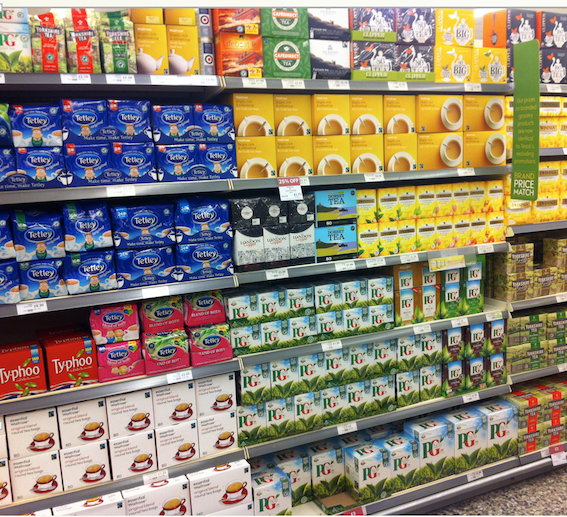
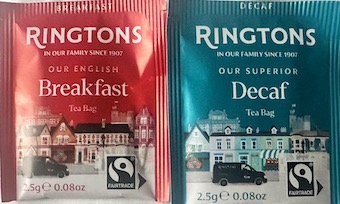
Tea has changed. Builder’s Tea covers what we actually drink in Britain. Stronger the better. What’s with Decaf tea? The flavour disappears with the caffeine.
Twinings English Breakfast Tea is for hotels in sachets, and is crap. Real tea, builder’s tea, is PG Tips, Typhoo, Tetleys, Co-op 99. I would default to PG Tips given no choice. A little more expensive brings in Yorkshire tea or Dorset tea brands. I think of the tea plantations outside Hebden Bridge, and just behind Dorchester. Ah, but it’s where it’s blended. That means you can have Devon tea, Gwent tea or Cumbria tea.
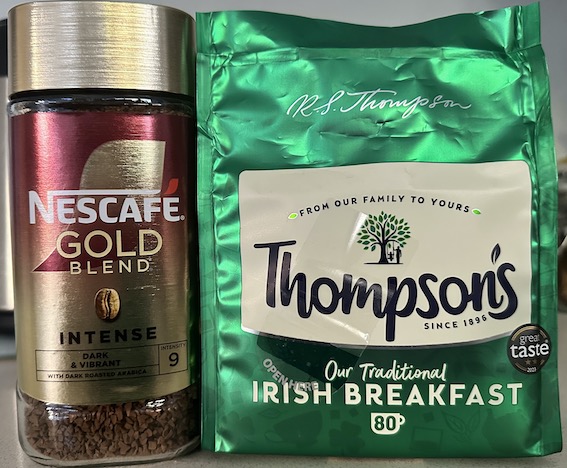
We drink Thomson’s Irish Breakfast tea from Tesco. That’s real builder’s tea. Irish breakfast tea is stronger than English breakfast tea. We have a jar of instant coffee for visiting trades people. When we’re in hotels we pick up a couple of sachets of instant decaffeinated coffee for Karen’s aunt, who asks for it. We also get our sugar for visitors in sachets from coffee shops and hotels as we don’t take sugar.
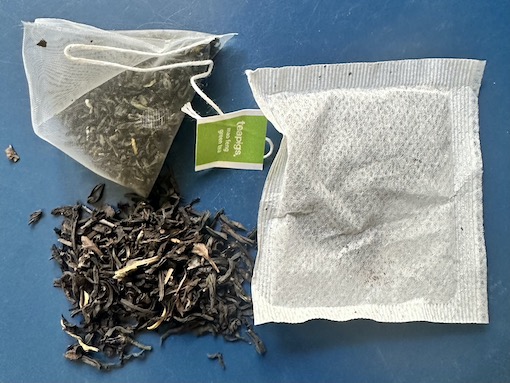
Then there’s leaf tea and a strainer versus tea bags. Loose tea is infinitely superior. There are tea bags and tea bags. The triangular ones let the tea swill about and were used first by expensive brands like TeaPigs but have spread to mass market brands. But are they paper or plastic? They call them ‘tea temples.’
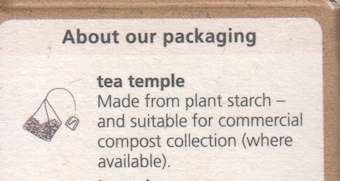
Suitable for commercial compost collection? OK, but we have two types of composting here, one the sealed black bin and one open for leaves. I can tell you that TeaPigs bags emerge unscathed from the sealed bin after three years. Ah, that’s domestic composting. After all everything will compost eventually, it might take millennia though.
What about coffee bags? I tend to pick them up in better hotel rooms. They’re ground coffee in a bag. Better than instant? Just bit, but still not a great idea.
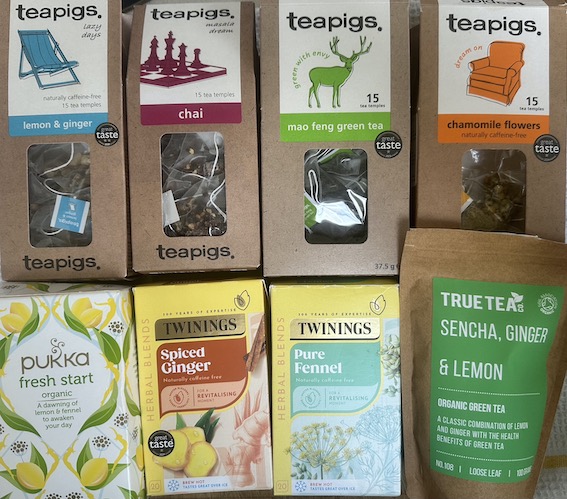
Then the range of herbal teas never stops growing, let alone specialist green teas, white teas, then black teas: Darjeeling, Assam, Lapsang Souchang, Earl Grey, Lavender Earl Grey (a favourite we discovered in the USA). Herbal teas is a huge growth market.
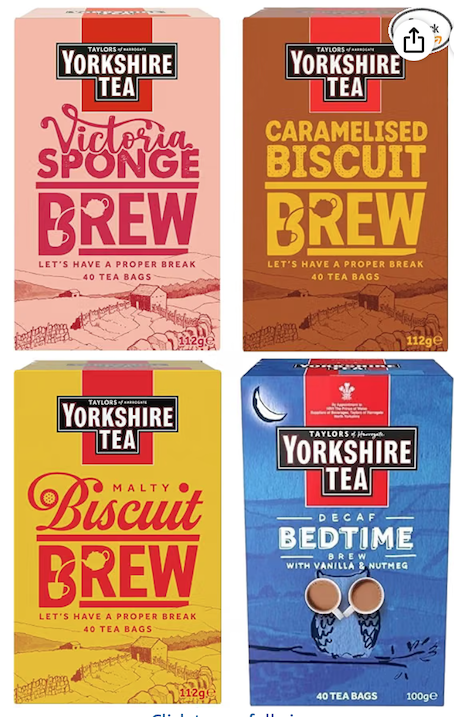
Add flavoured teas. Biscuit flavoured tea? Just dunk your digestive too long and it’ll fall apart and give you biscuit flavoured tea. I wouldn’t dunk Victoria sponge though.


Very interesting read , and also very informative ! I remember trend in 1970s for milky coffee ( with heated milk ) before it was called a latte. I’m also a baby boomer who remembers the use of a tea caddy to keep warm a pot of fresh tea.
LikeLike