SUPPORT: IONA ZAJAC
Poole Lighthouse
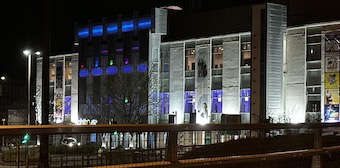
Tuesday 24th February 2016 19.45
BAND
Lisa O’Neill- vocal, guitars, banjo, hand bells
Brian Leahy- Hammer Dulcimer. concert bass drum
Joseph Doyle – Acoustic bass
Mic Geraghty – Harmonium
SETLIST
If I Was A Painter
Silver Seed
Pothole In The Sky
Mother Jones
Violet Gibson
Old Note
Rock The Machines
When Cash Was King
The Wind Doesn’t Blow This Far Right
In The Bleak Midwinter
ENCORE
Goodnight World
Lisa O’Neill wasn’t on my radar. I started getting lots of email adverts for this show, and was pleased. Poole Lighthouse’s publicity policy is to fill the lobby with glossy fliers and hope people will come in and take them. They ignore the fact that they are separated from the shopping mall by four lanes of traffic. At last! They’re getting it together, I thought. No, I just assume she has a very good agency / management taking on the task. In contrast, Spiers & Boden are at the same venue in the very near future, and I haven’t received a single ad from Poole. OK, I picked up a flier, I’m going, but their profile is higher than hers. No, Poole still haven’t sussed publicity. This week I’ve had three emails from Winchester Theatre Royal, where I’ve been once in three years. Poole? Nothing.
I knew little about her. The publicity was inviting. I realised that she has an enthusiastic fan base too. I’ll go straight to the fact that she got a standing ovation at the end. She said this was the first time she’d been this far South and looking at the map, she realised Poole was at the bottom of England. There are points further south in Devon, but I guess yes, centre bottom. Perineum?
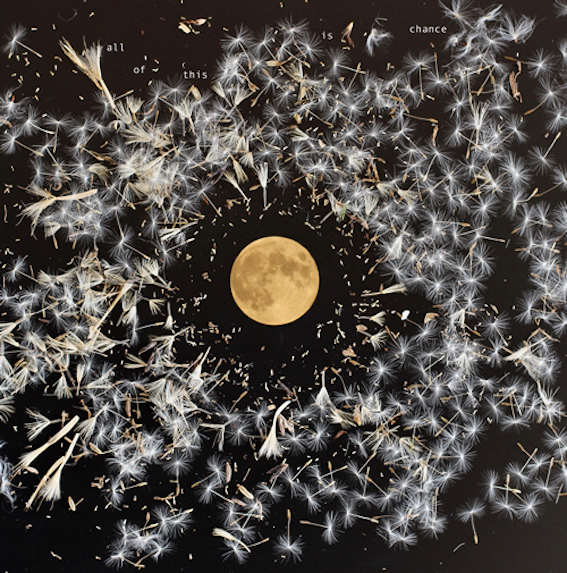
(Try reading the title!)
I bought All Of This Is Chance to get used to her material. I didn’t like it much. Too much drone. Too lugubrious. I was even pondering whether to bother to go, but the good news is that she sounds much better with the same songs live than she does on the record. That is incredibly unusual.
She talks a lot which folk musicians tend to do. Sometimes it’s enlightening and amusing, such as her tale of the background to Pothole in The Sky. Others are fascinating, such as the historical background to Mrs Jones and Violet Gibson, but then you realise she”s just told you a story, and now she’s going to repeat it in song. The contrary view is that it’s hard to hear lyrics live and the explanation helps you follow the words and intent.
The instrumental line up is between highly unusual and unique. She plays guitars and banjo. Add double bass, often played with a bow, a hammer dulcimer player who also played a concert horizontal big bass drum, and then add an electric harmonium for the drone. Her guitar style is interesting too. She finger picks gently, then does sudden thrashing amplified chords. I liked it. The LP record had thirteen musicians, and I wonder if less was more. Her voice is slightly harsh, which is effective.
The first three songs she described as back catalogue. The first two were from All Of This Is Chance, so had familiarity. She starts off withIf I Was A Painter, starting with just guitar, then the bowed bass comes in. The record has ethereal backing voices, but It benefits from being more focussed on her voice.
Silver Seed loses the harmonium player who reverts to his other role as guitar / banjo tuner. She switched to banjo. She adds rhythmic stamping at points. It reminded me of Jon Boden’s effective stamp board – she should have a look. The stamping adds.
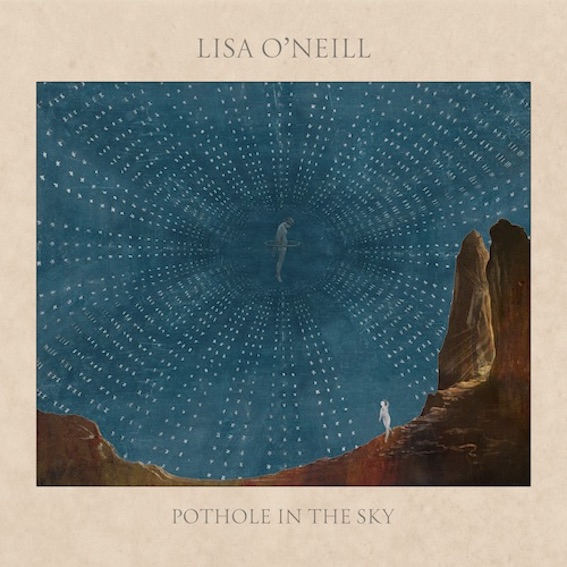
Pothole in The Sky has the long story, and is back to guitar. The story enhanced the song here. It was the title song on her 2016 album.
Mother Jones was about an Irish activist in America that I hadn’t heard of. Hearing the full story of her work on child labour was enlightening, and her work on labour unions. Yes, it was then repeated in song, but without the intro I don’t think I’d’ve got it. This got the first mention of her current record, The Wind Doesn’t Blow This Far Right.
For Violet Gibson, with another lengthy explanation, She was solo with guitar. It’s a good story, about a woman who threw a rock at Mussolini, then shot at him, skimming his nose in 1926. My biggest surprise given her general tone, was that she didn’t reference Trump’s ear. I would have done.
Old Note was the highlight of the evening. She just had small hand bells, and in the instrumental ending, circled the entire theatre shaking them. It got instantaneous massive applause too. The hammer dulcimer player was pulling horse hair through the instrument to create the sounds. Good story about horse hair too, but I’ll leave it as a surprise if you see her.
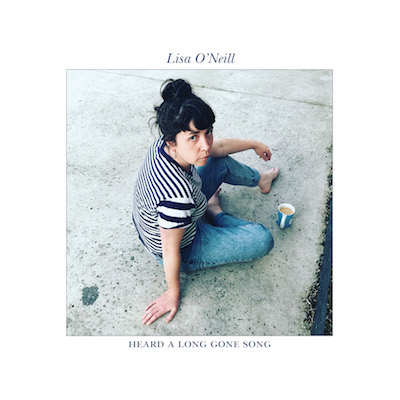
Rock the Machines saw her back playing banjo. It’s from Heard A Long Gone Song.
When Cash Was King was to the point on the issue of shops actually refusing cash nowadays. It was also her chance to push the concessions stand with her new “EP” and to hint very broadly that cash might be preferred to cards. On that, I wandered over in the interval. The printed price lists had the Euro symbol, but apparently they were just saying 20 euros is £20. Actually, it’s just under £17.50. I can see it’s for convenience, and she is not the first Irish artist I’ve seen making the same equation. I’d probably have done the same BUT I would have had the sense to print new price list cards with the £ sign instead of the € sign.
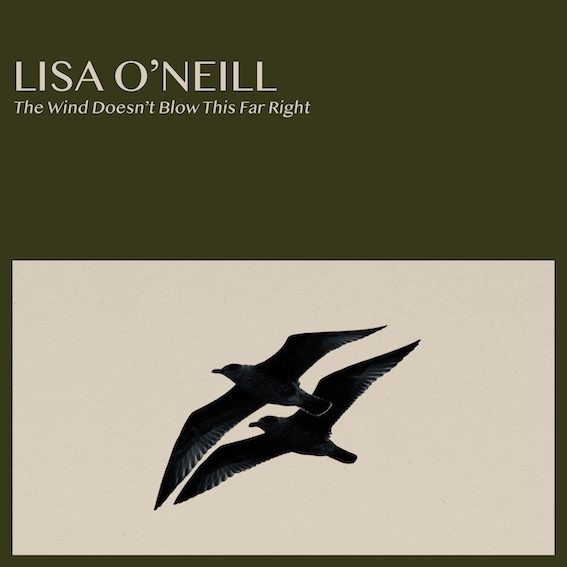
The Wind Doesn’t Blow This Far Right is the title track of her new 12″ vinyl EP, Iona Zajac joined her as second vocalist, with her more mellifluous tone providing good contrast.
The main set finished with In The Bleak Midwinter, a gorgeous tune, which is on the same album. Iona Zajac was there too.
The encore was Goodnight World, an obvious ender, but maybe melodically too close to the previous song. I’m sure many of the audience were hoping for her version of All The Tired Horses, the Bob Dylan song that shocked purchasers of his Self Portrait album. Her version was the end of Peaky Blinders and the way most people had heard of her. It’s also on the new album. She should have done it, but it seemed a contractual 90 minutes show.
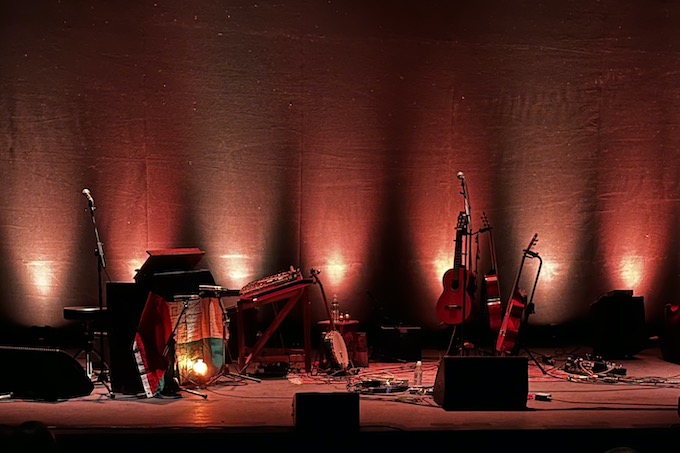
Towards the end she thanked the lights. What lights? They had eight uplighters at the back as dressing and a glow from overhead. It was fixed, unchanging. Lisa O’Neill was very hard to see in the gloom, which for a folk singer with a lot of narration is ridiculous – you really want to see expressions, but the poor support, Iona Zajac was so badly lit that for much of her set I thought she was wearing sunglasses and a black Covid mask. It was in fact shadows. Appalling lighting. However they set it up, it put a mild glow on Lisa O’Neill, but Iona Zajac is more than a head taller which put her face above the lit area. Thank the lighting operator? What for setting it wrongly and never changing it? Experience tells me they brought their own backwash lights and didn’t pay the theatre for any lighting set up. Bad mistake. If they employ a lighting person, they need to get a different one. Also, even if you are eschewing dynamic lighting, just looking at someone’s face in dark shadow in the support set suggests you intervene and reset as much as you can in the interval, but it didn’t happen.
I thought the presentation dynamics poor too. After the interval I don’t want to sit for ten minutes listening to a recording while the band go on and off, wandering about, fiddling with instruments. With modern cold LED lights and very few of them, you shouldn’t get instruments getting badly out of tune as they did under old hot stage lights. If you think they will, keep them in the dressing room, tune just before you walk on. What else were they fiddling about with? Why hadn’t they done it during the interval? End of interval? You start the show. ‘Keep them waiting to build up tension’ is old-fashioned rock star arrogance. You’re not a rock star. .
An aspect is preaching to the choir. Some of the intros were very politically preachy, and there is an assumption that the entire audience agrees, assisted by the feedback of audience whoops and applause. Much of it is self evident and therefore may not need to be said: you can’t believe what you read in the papers. OK, true. There are a lot of bad people with power, OK true. Nature is important, OK, true. Being preached at in impassioned Irish is acceptable. Lovely accent. If it were an irate Estuary accent, it might have annoyed me.
Some is insensitive, like praising all Gaza protestors and the harmonium player going off waving a Palestinian flag. Yes, there are war crimes. Yes, there is genocide. Yes, Netanyahu should be put on trial. But you aren’t a politician, and you are in a town with a large Jewish population, and while most of them will agree with her on children in Gaza, on the need for a Palestinian state, stopping settlements on the West Bank, they will not agree with supporting Hamas in return. Hamas committed the maximum atrocities because they wanted an overwhelming violent over-reaction for their long plan. They got it. Flag waving is insensitive.
I’ll quote the Bournemouth Evening Echo review in case you think I’m out on a limb. I’d finished the review before I saw it:
It was a low-key evening of protest songs featuring tough subjects and railing against perceived injustices, where light moments only occasionally penetrated the darkness and, judging by the general reaction, O’Neill was preaching to the converted.
Cliff Moore 25 February 2026
SUPPORT SET: IONA ZAJAC
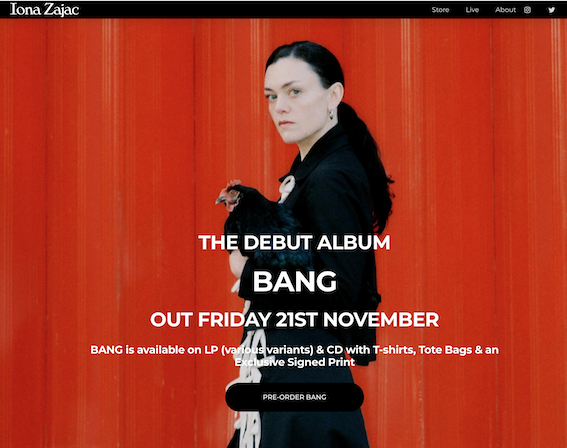
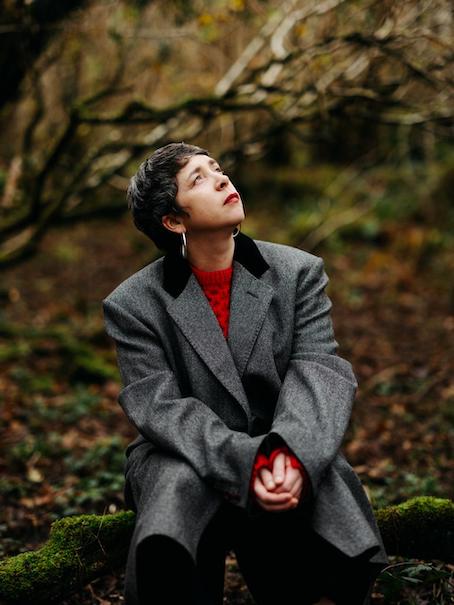
She accompanied herself on guitar. She was tall, and as above, you couldn’t see her face at all. You need expressions. She had a beautiful voice, and the songs sounded interesting. There were six, and she made the mistake (which Lisa O’Neill never did) of failing to announce the song titles clearly. The first was announced as about fruit and veg, but we never got the title. The second was the title track of her record Bang. The sixth was I Saw A Koala, an enigmatic title which she explained well before the song. There are things to learn. If you are a support that no one has heard of, get through by always doing one cover of a well-known song. Announce you own songs loud and clear so people can go out, check the set list on your five track CD and see if they’re the same.
Greatest fault? Announcing that she would be at the concession stand signing then not being there. In the interval a dozen people were standing expectantly around waiting for her. I went back in 5 minutes before the end of the interval, but she still hadn’t turned up. Support acts should use the interval for signing, not the end, which will be dominated by the main act. She lost a few sales there.
 Peter Viney's Blog
Leave a comment